Everyday Nutrition Guide

What If Biblical drink (oil)/ Honey blend Was Already Sitting in Your Grandmother's Kitchen?

Long before glucose talk was part of everyday conversation, home cooks across the Mediterranean stirred Biblical drink (oil)/ Honey blend into simple dishes — not as medicine, but as ordinary cooking. This page walks through that tradition, and the everyday meal habits that go along with it.

Everyday Nutrition  ·  Daily Habits  ·  Educational Content  ·  Everyday Nutrition  ·  Daily Habits  ·  Educational Content

The Daily Grind of Watching Your Plate

Ask yourself honestly: when was the last time a meal felt simple, instead of like a decision to manage?

The Weight of Deciding Every Meal

Three meals a day, every day, each one weighed and second-guessed — the mental load adds up long before the fork ever touches the plate.

Confusion About What's Actually 'Safe' to Eat

Conflicting advice from articles, family members, and old habits can turn a simple grocery list into a source of daily stress.

The Afternoon Energy Rollercoaster

That heavy, foggy feeling an hour or two after lunch is a familiar rhythm for many people who pay close attention to their meals.

Mornings That Start Tired Anyway

Even after a full night's rest, some mornings feel like they start from behind — a pattern worth noticing over time.

Kitchen Myths That Just Won't Quit

A few ideas about food get repeated so often they start to sound like fact. Here’s a closer look.

MYTH

All carbohydrates are the enemy.

FACT

Whole-food carbohydrates eaten alongside fiber and protein behave differently than refined, stripped-down versions — context tends to matter more than a single label.

MYTH

Fruit is basically candy in disguise.

FACT

Whole fruit comes with fiber and water that change how a food is digested and enjoyed, unlike syrups, juices, or processed sweets.

MYTH

There’s a special ‘diabetic food’ aisle you’re required to live in.

FACT

Most traditional, whole-food meals can still be part of an everyday rotation. Portions, timing, and balance are the real conversation — one best worked out with your own doctor or dietitian.

A Simple Rhythm for Everyday Meals

None of this is about strict rules. It’s about small habits that make a meal feel less chaotic.

01

Step 1 — Rethink the Order on the Plate

Some home cooks start with vegetables and protein before reaching for bread or rice — a simple plating habit passed down in many traditional kitchens.

02

Step 2 — Slow Down the Pace

Eating without rushing, setting the fork down between bites, letting conversation stretch the meal out — these old-fashioned habits give a plate room to breathe.

03

Step 3 — Add a Little Movement Afterward

A short walk after dinner or tidying the kitchen instead of sitting straight down is a habit worth discussing with your doctor as part of your overall routine.

A Recipe Older Than the Modern Kitchen

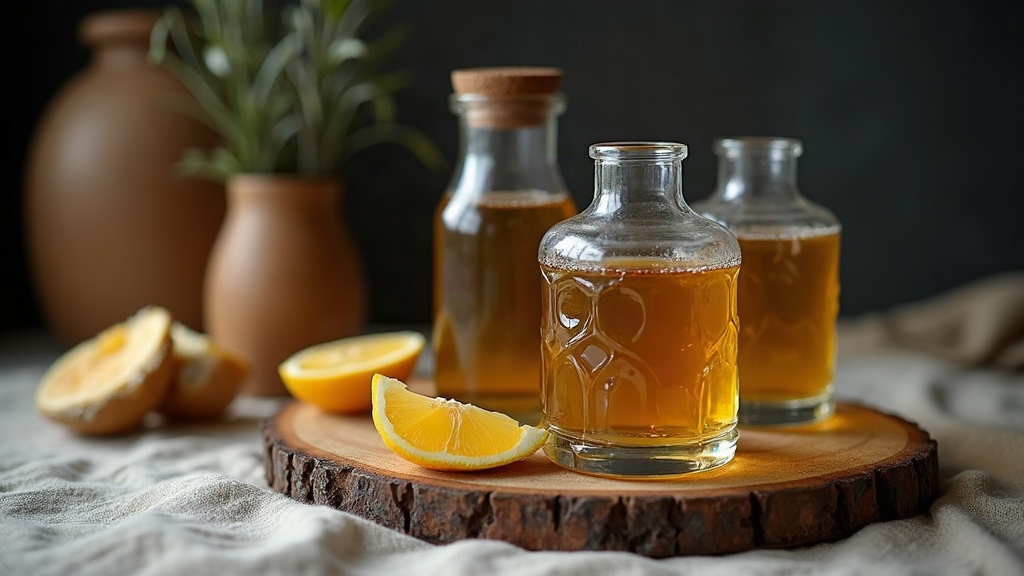
Long before nutrition labels existed, home cooks along ancient trade routes blended honey with pressed oils — olive, sesame, or nut oils, depending on the region — into a thick, fragrant mixture. It was drizzled over warm bread, stirred into porridge, or used to finish roasted vegetables. The blend traveled the same caravan paths as spices, appearing in kitchens from the Levant to southern Europe. Grandmothers kept a jar of it on the shelf the way one might keep good vinegar today — not as a remedy, but as an everyday pantry staple.

The interesting part isn’t some hidden property of the blend — it’s that it was simply cooked with, meal after meal, generation after generation, as ordinary food.

Everyday Moments Worth a Conversation With Your Doctor

Energy That Dips Hard After Lunch

If the after-lunch slump feels heavier than it used to, mention it at your next appointment with the professional who knows your history.

Waking Up Tired No Matter What

Morning fatigue that doesn't improve with rest is worth bringing up with your healthcare provider rather than guessing about on your own.

Feeling Unsure About Every Meal Choice

If planning meals feels like a constant puzzle, ask your doctor or a registered dietitian for guidance tailored to you specifically.

Noticeable Changes in Thirst

Shifts in how thirsty you feel throughout the day are best discussed directly with your doctor rather than interpreted alone.

Clothes Fitting Differently Without a Clear Reason

Any unexplained change in weight or fit deserves a check-in with the professional managing your care.

Changes in How Skin Looks or Heals

Noticeable changes in skin or healing time are worth having a doctor evaluate properly rather than watching and waiting.

Stories About Kitchen Routines

Cooking dinner used to feel rushed and confusing. Now I plan meals a day ahead, and the whole evening feels calmer.

Marta L.
Illustrative account
I started plating vegetables first out of habit — it's a small change, but it made mealtimes feel less chaotic overall.
Denise K.
Illustrative account
Adding a short walk after dinner became part of our routine. It's a small ritual, but it changed the pace of the whole evening.
Robert T.
Illustrative account

These are individual experiences shared for illustrative purposes only. They do not represent typical results, and everyone’s routine and health needs are different. Always consult your healthcare provider before changing your diet or habits.

Common Questions About This Old Kitchen Habit

No. This page discusses its culinary and historical background as a traditional food pairing — it is not presented as a treatment, cure, or method for managing any health condition.

No. Never change, reduce, or stop any prescribed medication without speaking to your doctor first. This content is educational and does not replace medical guidance.

Historical accounts describe honey and pressed oils being blended in kitchens across the Mediterranean and Levant regions, used in everyday cooking rather than as medicine.

This content doesn’t include medical values, targets, or test results. Any monitoring should be done under your doctor’s guidance.

No. It’s educational information about food habits and culinary history. Please consult a healthcare professional for anything related to your personal health.

Curious About This Old-Fashioned Kitchen Habit?

Take a closer look at how Biblical drink (oil)/ Honey blend fits into traditional cooking — and keep your own doctor in the loop before changing anything about your diet, routine, or treatment.

Advertising Disclosure: This is sponsored content and may contain affiliate links. We may receive compensation if you click on or make purchases through links on this page. This does not affect the price you pay.

Content Disclaimer: This content is for educational purposes only. It has not been evaluated by the FDA and is not intended to diagnose, treat, cure, or prevent any disease. It is not a substitute for professional medical advice, diagnosis, or treatment. Always consult a qualified healthcare professional before changing your diet, routine, or any prescribed treatment.

Results Disclaimer: Individual results and experiences vary. Any testimonials or stories shared reflect personal experiences and are not a guarantee of any particular outcome.

© 2026 · All Rights Reserved